
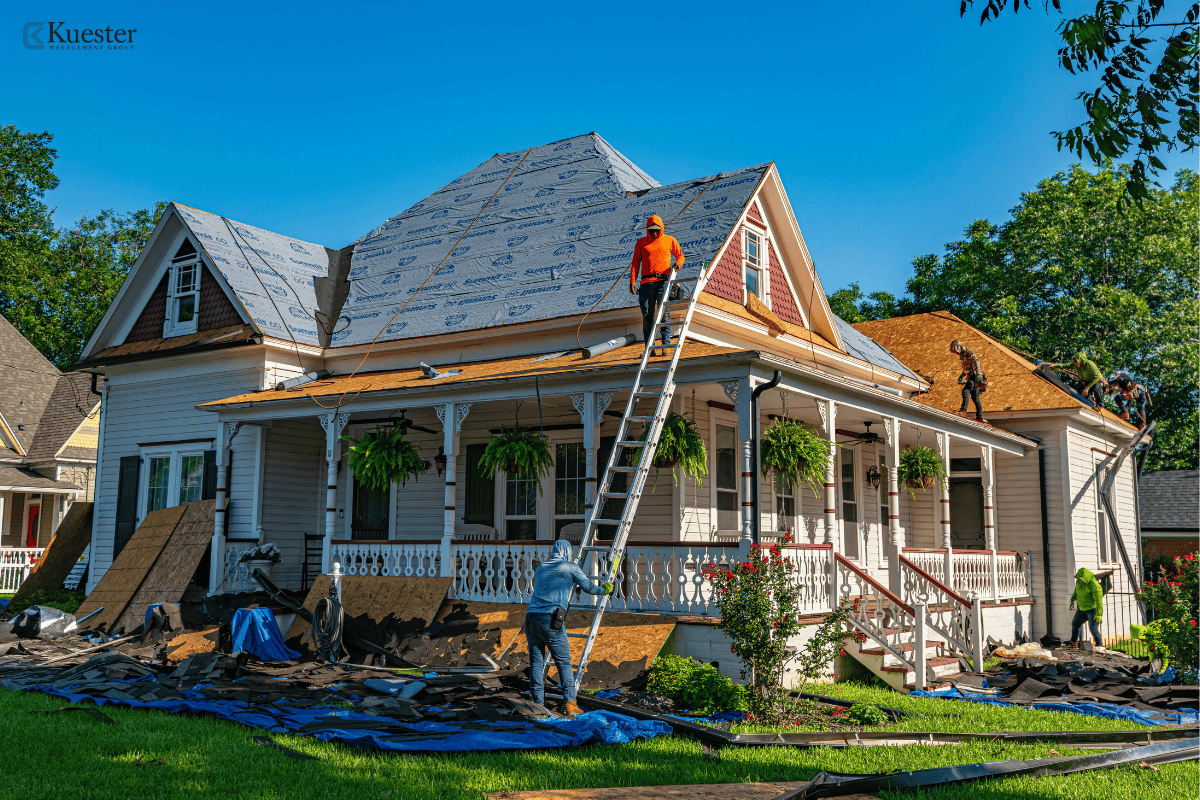
One of the most common (as well as frustrating) questions homeowners ask is simple on the surface: What repairs is the homeowners association responsible for? The confusion usually starts when something breaks, leaks, cracks, or deteriorates, and no one is quite sure who should fix it–or who should pay.
In well-run communities, repair responsibilities are clearly defined and consistently enforced. In poorly managed ones, vague rules, delayed communication, and inconsistent decisions can lead to tension, unexpected expenses, and disputes between homeowners and the board.
This guide breaks down what HOAs are typically responsible for, what homeowners usually handle themselves, and why professional HOA management plays such a critical role in keeping repairs organized, fair, and timely. At Kuester Management, a premier provider of HOA management services in Charlotte, Huntersville NC, Wilmington NC, Myrtle Beach SC, and Fort Mill SC, our team is dedicated to helping communities understand what repairs HOAs are responsible for–and what repair responsibilities fall on homeowners.
What Determines HOA Repair Responsibilities?
HOA repair responsibilities are not based on guesswork or board preference–they’re defined by governing documents and the structure of the community.
The primary sources include:
- CC&Rs (Covenants, Conditions, and Restrictions)
- Bylaws
- Condo declarations or plats
- Maintenance responsibility charts or matrices
These documents outline who maintains, repairs, and replaces specific components of the property. Because every HOA is different, the exact responsibilities can vary, but there are strong patterns across most communities.
Another major factor is property type.

How Property Type Impacts Repair Responsibility
Condominium Communities
In condos, homeowners typically own the interior of their unit, while the HOA owns and maintains the building structure and shared components. This means the HOA often handles exterior and structural repairs.
Townhome Communities
Townhomes usually fall somewhere in between. The HOA may handle roofs, siding, and landscaping, while homeowners manage interiors.
Single-Family HOAs
In single-family communities, homeowners are usually responsible for their homes, while the HOA maintains common areas and shared amenities.
Understanding which type of community you live in is essential when determining who pays for repairs.
Repairs HOAs Are Typically Responsible For
While documents always control, most HOAs are responsible for maintaining shared common areas, exterior, and structural elements that affect multiple homes or the community as a whole.
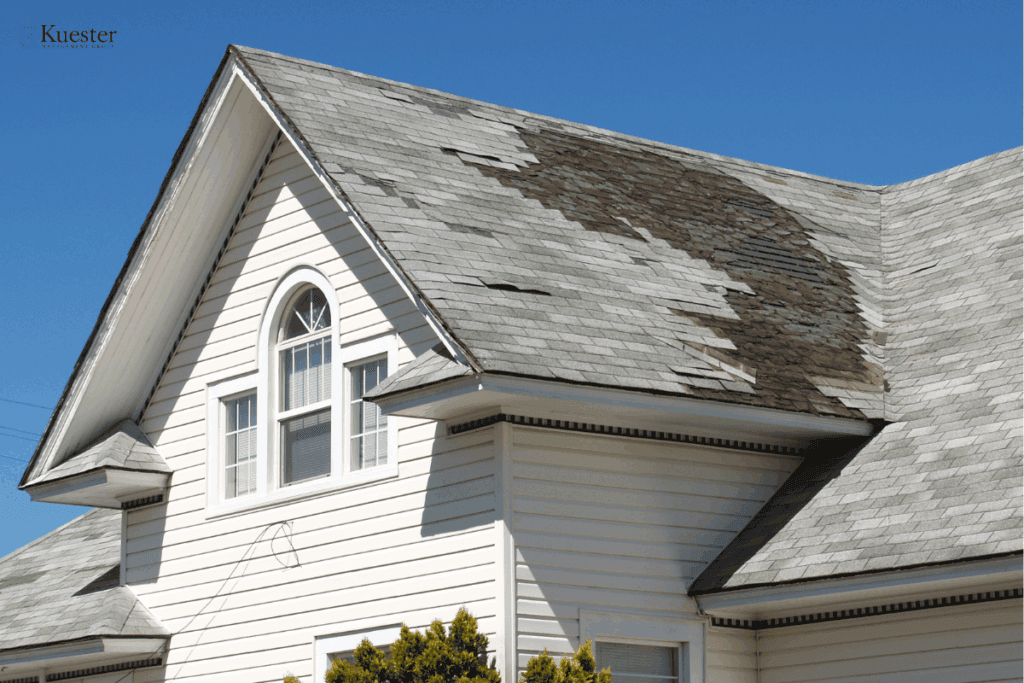
Roof Repairs (Condos and Some Townhomes)
In condominium communities (and many townhome HOAs) the roof is considered a common element.
HOAs typically handle:
- Roof maintenance and inspections
- Repairs caused by wear and tear
- Full roof replacement
Homeowners are generally responsible only if damage was caused by something inside the unit, such as neglect or unauthorized modifications.
Exterior Walls and Structural Components
HOAs commonly repair and maintain:
- Exterior walls
- Siding or stucco
- Foundations and load-bearing elements
- Structural framing
These components affect multiple units and are critical to safety and property value, which is why HOAs usually assume responsibility.
Common Areas
Common areas are almost always the HOA’s responsibility. These include:
- Landscaping and irrigation systems
- Sidewalks and walkways
- Parking lots and garages
- Exterior lighting and signage
- Entry gates and fencing (when shared)
Because these spaces serve all residents within the community as a whole, HOAs are responsible for keeping them safe, functional, and attractive.
Shared Utilities and Systems
HOAs often manage utilities that serve more than one home, such as:
- Community plumbing lines
- Shared electrical systems
- Stormwater drainage
- Irrigation infrastructure
If a system serves multiple units or common spaces, the HOA usually handles repairs and maintenance.
Amenities
HOAs are responsible for maintaining community amenities, including:
- Pools and spas
- Clubhouses
- Fitness centers
- Playgrounds
- Tennis courts and sports facilities
These shared spaces require routine maintenance, regular inspections, and timely repairs to meet safety standards, comply with insurance requirements, and reduce liability risks for both the association and homeowners.
Repairs Homeowners Are Typically Responsible For
While HOAs handle shared and common elements, homeowners are usually responsible for everything inside their unit or on their lot.
This often includes:
- Interior walls, floors, and ceilings
- Appliances
- Plumbing and electrical inside the unit
- HVAC systems serving only one home
- Interior fixtures and finishes
In single-family HOAs, homeowners are generally responsible for the entire home exterior as well–unless documents say otherwise.
Windows and Doors: A Common Gray Area
Windows and doors are one of the most common gray areas when it comes to HOA repair responsibilities, and policies can vary significantly from one community to another. Responsibility often depends on how the governing documents define ownership and maintenance obligations.
Some associations cover exterior components such as frames, seals, or weatherproofing, while homeowners may be responsible for glass, screens, locks, and hardware. Other HOAs place full responsibility for windows and doors on the homeowner. Because assumptions can lead to disputes, it’s essential to review your governing documents carefully before requesting or authorizing repairs.
Gray-Area Repairs That Cause the Most Confusion
Certain repairs consistently cause disputes because responsibility depends on cause, location, and governing language.
Fences
- Shared or perimeter fences are often HOA-maintained
- Individual yard fences are usually homeowner responsibility
Balconies and Patios
- Structural elements may be HOA responsibility
- Surface finishes may fall to homeowners
Foundation Cracks
- Structural foundation issues are typically HOA repairs
- Cosmetic cracks inside units may be homeowner responsibility
Water Intrusion
Responsibility often depends on:
- Where the leak originated
- Whether it came from a common element
- Whether homeowner negligence played a role
This is where professional evaluation and clear documentation matter most.
Why HOAs Have Repair Responsibilities
HOAs exist to protect shared assets and maintain the overall value of the community. By overseeing repairs and maintenance, associations help ensure that common elements remain safe, functional, and visually appealing for all residents.
Repair responsibilities allow HOAs to preserve property values, reduce safety risks, and limit potential liability. Consistent maintenance standards also prevent uneven upkeep that could lead to disputes between neighbors or create long-term structural issues.
When repairs are managed properly and in a timely manner, the benefits extend beyond individual homeowners. The entire community enjoys improved safety, stronger aesthetics, fewer conflicts, and greater confidence in the association’s ability to protect their investment.
How HOAs Pay for Repairs
HOAs fund repairs through a combination of:
Monthly Assessments
Regular dues cover routine maintenance and minor repairs.
Reserve Funds
Reserves are savings set aside for major future repairs like roofs, paving, or equipment replacement.
Special Assessments
When reserves are insufficient, HOAs may levy one-time assessments to cover large or unexpected expenses.
Strong financial planning is essential to avoid surprises.
What Happens When Repairs Are Delayed or Mismanaged?
When HOA repairs are delayed or mismanaged, small issues can quickly turn into major problems. What starts as a minor leak, crack, or maintenance concern can escalate into extensive damage that is far more expensive to repair over time.
Poor repair management can also create safety hazards and expose the association to legal liability. At the same time, homeowners may grow frustrated by slow responses, unclear communication, or inconsistent decisions, leading to conflict and declining trust in the board.
Many of these issues stem from unclear repair responsibilities, weak vendor oversight, or the absence of professional management. Without structure and accountability, communities may experience falling property values and long-term damage to homeowner relationships and confidence in HOA board leadership.
Benefits of a Well-Managed HOA
A professionally managed HOA delivers a higher level of organization and responsiveness when it comes to maintenance and repairs. Faster response times, regular inspections, and preventive maintenance help address issues early–before they turn into costly problems.
Professional management also strengthens vendor relationships, often resulting in better pricing, higher-quality work, and more reliable service. Just as important, homeowners benefit from clear communication, consistent application of governing documents, and a structured process for submitting and tracking maintenance requests.
If your HOA struggles with delayed repairs, unclear responsibilities, or ongoing confusion, professional guidance can make a dramatic difference. To learn how experienced management improves maintenance planning, communication, and compliance, homeowners and boards can explore the Kuester website for resources and support.
Get Clarity and Confidence in HOA Repairs
If your community struggles with unclear repair responsibilities, slow maintenance, or ongoing disputes, professional support can help restore order and confidence. Experienced managers ensure repairs are handled fairly, efficiently, and in full compliance with governing documents.
For communities seeking reliable oversight and clear processes, Kuester Management Group provides the expertise needed to protect property values and reduce homeowner frustration. Schedule a consultation with our team today.
FAQ: HOA Repair Responsibilities
What repairs are HOAs responsible for in most communities?
HOAs typically handle common areas, shared utilities, exterior structures, and amenities, though specifics depend on governing documents.
Are HOAs responsible for roof repairs?
In most condo and many townhome communities, yes, roofs are considered common elements.
Does an HOA handle plumbing or water leak issues?
HOAs usually repair plumbing that serves multiple units; homeowners handle plumbing inside their unit.
Who pays for exterior repairs in a condo vs. a single-family HOA?
Condos usually assign exterior repairs to the HOA, while single-family homeowners often handle their own exteriors.
Are HOAs responsible for repairing fences or shared boundaries?
Shared or perimeter fences are often HOA responsibility; individual fences are usually not.
Do HOAs fix windows and doors?
This varies by association–some cover exterior components, others place full responsibility on homeowners.
What amenities do HOAs typically maintain and repair?
Pools, clubhouses, playgrounds, fitness centers, gates, and other shared amenities.
Can an HOA refuse to make a repair?
An HOA may deny repairs if they fall outside its responsibilities or if homeowner negligence caused the issue.
How do HOAs pay for large repairs?
Through reserve funds, special assessments, or a combination of both.
What should homeowners do if they disagree with an HOA’s repair decision?
Review governing documents, request written clarification, and attend board meetings to address concerns.
How can HOA management improve repair timelines and communication?
Management companies coordinate vendors, track repairs, communicate clearly, and ensure accountability.
When should homeowners consider talking to a professional HOA management company?
If repairs are delayed, responsibilities are unclear, or disputes are frequent, professional management can provide structure and solutions.