
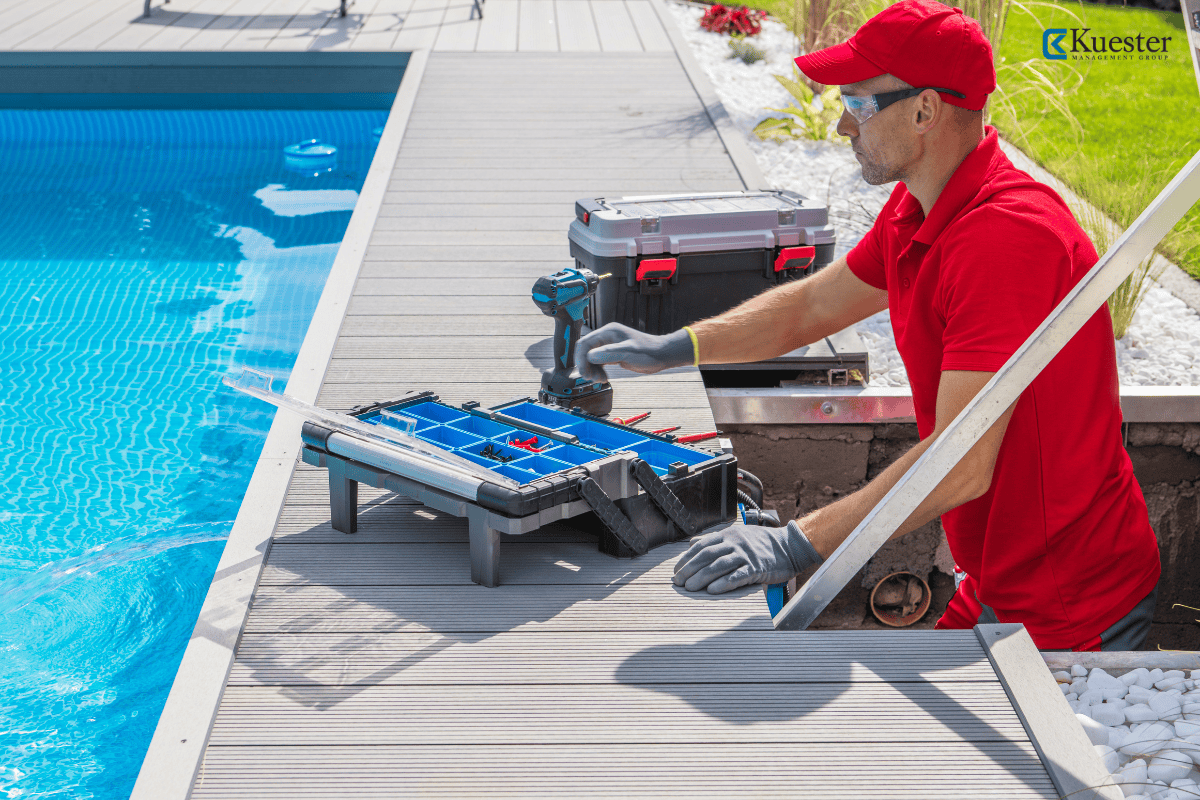
In many HOA communities, maintenance is handled reactively–something breaks, and then it gets fixed. While that approach may seem manageable in the short term, it often leads to higher costs, unexpected disruptions, and growing frustration among homeowners.
A well-structured preventive maintenance plan changes that entirely. Instead of waiting for problems to arise, it creates a system for inspecting, maintaining, and protecting community assets before issues become expensive repairs.
For boards and homeowners alike, understanding how preventive maintenance works–and how to implement it–can make a significant difference in both property value and long-term financial stability.
This guide will break down why having an HOA preventative maintenance plan is important and necessary. At Kuester Management, a leading provider of HOA management services in Charlotte, Huntersville NC, Wilmington NC, Myrtle Beach SC, and Fort Mill SC, our team regularly consults with HOA boards on how to build a preventative maintenance plan.
What Is an HOA Preventive Maintenance Plan?
An HOA preventive maintenance plan is a proactive strategy for regularly inspecting, servicing, and maintaining shared community assets. Rather than a deferred maintenance approach where you’re reacting to failures, the goal is to identify and address issues early.
In practice, this means:
- Scheduling routine inspections
- Performing regular upkeep
- Tracking repairs and recurring tasks
- Planning ahead with a maintenance schedule for seasonal and long-term needs
It is not just a checklist. It is an organized system that helps the community stay ahead of problems instead of constantly catching up.
Why Preventive Maintenance Matters
Preventive maintenance is one of the most important responsibilities of an HOA board. When done well, it protects both the physical condition of the community and its financial health.
Key benefits include:
- Extending the life of major assets like roofs, HVAC systems, and pavement
- Reducing the likelihood of emergency repairs
- Controlling long-term maintenance costs
- Improving safety and common areas for residents
- Maintaining curb appeal and property values
Communities that invest in preventive maintenance tend to experience fewer surprises and more predictable budgets.
Preventive vs. Reactive Maintenance: Why the Difference Matters
The difference between preventive maintenance and reactive maintenance is simple, but the impact is significant.
Reactive maintenance:
- Waits for something to break
- Often leads to emergency repairs
- Results in higher costs
- Causes inconvenience for residents
Preventive maintenance:
- Identifies issues early
- Schedules repairs before failure
- Reduces long-term expenses
- Creates a more stable living environment
Communities that rely heavily on reactive maintenance often find themselves stuck in a cycle of rising costs and ongoing repairs.
What Should Be Included in an HOA Maintenance Plan
A strong preventive maintenance plan covers all shared components of the community and outlines how they will be maintained over time.
Core elements of a plan include:
- A full inventory of common-area assets
- Scheduled inspection timelines
- Maintenance tasks and service requirements
- Assigned responsibilities (board, vendors, or management)
- Budget considerations and cost tracking
- Documentation of completed work
The more detailed and organized the plan, the easier it is to maintain consistency.
Common Areas That Require Preventive Maintenance

Every HOA is different, but most communities share similar maintenance responsibilities.
Typical areas to include:
- Roofs and exterior building components
- Plumbing and irrigation systems
- Electrical systems and lighting
- Landscaping and tree care
- Pools, clubhouses, common areas, and fitness areas
- Parking lots, sidewalks, and roads
- Fences, decks, and common structures
These assets represent significant investments. Regular upkeep helps protect them.
How to Build an HOA Preventive Maintenance Plan
Creating a maintenance plan may seem overwhelming, but it becomes manageable when broken into clear steps.
1. Conduct a Full Property Inspection
Start by identifying all shared assets and evaluating their current condition.
2. Review Governing Documents and Financials
Examine CC&Rs, maintenance responsibilities, warranties, budgets, and reserve studies.
3. Prioritize Maintenance Needs
Focus on:
- Safety concerns
- High-cost assets
- Frequently used areas
- Seasonal maintenance requirements
4. Assign Responsibilities
Determine who is responsible for each task:
- Board members
- Vendors
- Management company
5. Build a Maintenance Calendar
Create a schedule for inspections, servicing, and recurring tasks.
6. Communicate With Homeowners
Keep residents informed about upcoming work, timelines, and expectations.
7. Review and Update Regularly
Maintenance plans should evolve based on wear, usage, and community needs.
The Connection Between Maintenance Planning and Budgeting
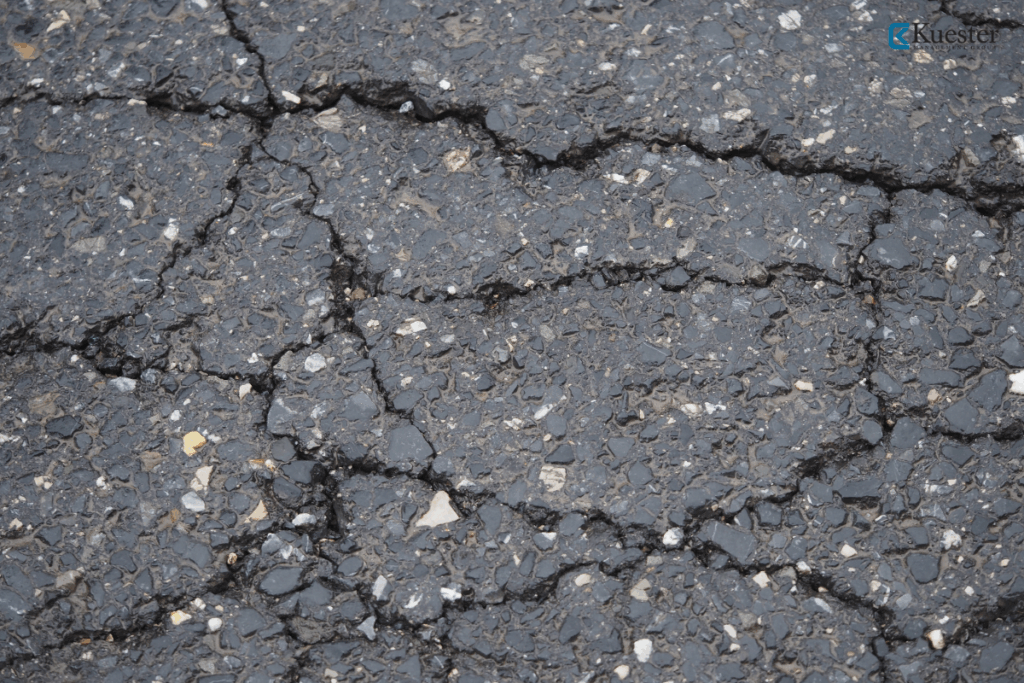
A preventive maintenance plan is closely tied to an HOA’s financial strategy.
When maintenance is planned:
- Expenses become more predictable
- Reserve funds can be used strategically
- Special assessments are less likely
- Financial transparency improves
Reserve studies play a key role by helping boards anticipate long-term repair and replacement costs. Aligning maintenance plans with these studies ensures the community is financially prepared.
The Role of Communication in Maintenance Success
Even the best maintenance plan can fail without clear communication.
Homeowners should be informed about:
- Scheduled maintenance and inspections
- Temporary disruptions or closures
- Long-term improvement projects
- Budget implications
Effective communication reduces frustration and helps residents understand the value of proactive maintenance.
Common Maintenance Mistakes HOAs Should Avoid
Many communities struggle not because they lack effort, but because they lack structure.
Common mistakes include:
- Waiting until problems become urgent
- Failing to document maintenance activities
- Overlooking smaller issues that grow over time
- Not aligning maintenance with budget planning
- Poor vendor coordination
Avoiding these mistakes requires organization, consistency, and oversight.
How Professional Management Improves Preventive Maintenance
A preventive maintenance plan is only as effective as its execution. For many volunteer boards, managing inspections, vendors, budgets, and communication can quickly become overwhelming.
Professional support can make a measurable difference.
For instance, Kuester Management Group helps communities:
- Build structured maintenance schedules
- Coordinate vendors and service schedules
- Track inspections and repairs
- Align maintenance with budgets and reserve studies
- Communicate clearly with homeowners
This level of organization helps communities move away from reactive repairs and toward long-term stability.
Signs Your HOA Needs a Preventive Maintenance Plan
If your community is experiencing any of the following, it may be time to implement a structured plan:
- Frequent emergency repairs
- Rising maintenance costs
- Unclear maintenance tasks or responsibilities
- Delayed repairs or vendor issues
- Homeowner complaints about upkeep
- Lack of documentation or tracking
These are often signs that maintenance is reactive rather than proactive.
The Long-Term Impact of Preventive Maintenance
When preventive maintenance becomes part of daily operations, the benefits extend far beyond repairs.
Communities experience:
- Lower long-term costs
- Better-maintained infrastructure and common areas
- Higher property values
- Fewer disruptions for residents
- Stronger financial planning
A well-maintained community is not only more attractive; rather, it is more stable and sustainable.
Build a Maintenance Plan That Works
A preventive maintenance plan is not just about fixing things; instead, it is about protecting your community’s future. Without a clear system, even well-meaning boards can fall into reactive cycles that lead to higher costs and ongoing frustration.
If your HOA is struggling with maintenance planning, vendor coordination, or budget surprises, it may be time to explore how structured support can bring consistency and clarity. With the right approach, your community can shift from reacting to problems to preventing them entirely.
For more information or to set up a personalized consultation, reach out to Kuester Management Group today.
FAQ: HOA Preventive Maintenance Plans
What is an HOA preventive maintenance plan?
It is a proactive system for inspecting, maintaining, and servicing community assets before problems occur.
Why does an HOA need a preventive maintenance plan?
It helps reduce costs, extend asset life, improve safety, and maintain property values.
What is the difference between preventive and reactive maintenance?
Preventive maintenance addresses issues early, while reactive maintenance responds after something breaks.
What should be included in an HOA maintenance plan?
Asset inventory, inspection schedules, assigned responsibilities, budgeting, and documentation.
Who is responsible for preventive maintenance in an HOA?
Typically, the board oversees it, often with support from vendors or a management company.
How often should an HOA update its maintenance plan?
At least annually, or whenever major changes occur in the community.
How does preventive maintenance help reduce HOA costs?
By preventing expensive emergency repairs and extending the lifespan of assets.
How does a reserve study support a maintenance plan?
It helps forecast long-term repair and replacement costs, aligning maintenance with financial planning.
What common areas should an HOA inspect regularly?
Roofs, landscaping, plumbing, lighting, roads, amenities, and structural components.
Can an HOA management company help create and manage a plan?
Yes, management companies provide structure, coordination, and oversight to ensure consistency and effectiveness.